

Guests may not remember every table, chair or floral arrangement individually, but they will remember how an event made them feel.
Event styling shapes that experience. It affects the first impression at the entrance, the ease with which guests move through the venue, the spaces in which they interact and the moments they choose to photograph and share.
Professional event styling is therefore not simply decorative. It is an important part of guest experience design.
Styling Shapes the First Impression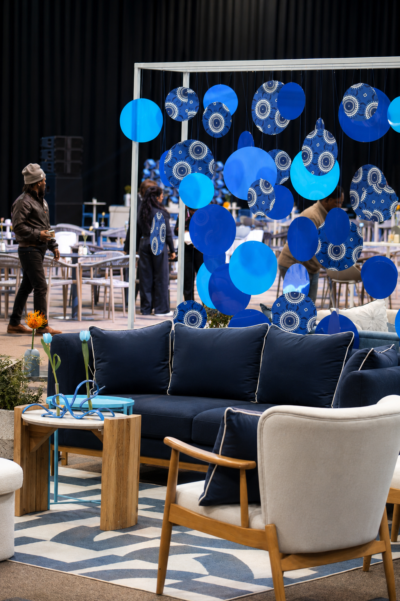
The guest experience begins before the formal programme starts.
An attractive entrance, clear signage and a welcoming registration or reception area immediately create confidence. Guests feel that the event has been carefully planned and that they are entering a space designed with them in mind.
Poorly planned entrances can have the opposite effect. Congestion, unclear directions or empty spaces may make an event feel disorganised before guests have properly arrived.
The strongest entrance styling combines visual impact with practical function.
Layout Influences Guest Behaviour
The arrangement of furniture and décor affects how people use a venue.
Open lounge areas can encourage networking. Smaller seating groups can support more private conversations. High cocktail tables can create informal interaction points, while comfortable seating allows guests to remain at the event for longer.
Event styling should consider:
- Where people will gather
- How they will move between areas
- Whether they need places to work, eat or socialise
- Which spaces should feel energetic
- Which areas should offer a quieter experience
Good design does not force behaviour, but it makes the desired behaviour easier.
Comfort Helps Guests Stay Engaged
A visually impressive event can still fail if guests are uncomfortable.
Seating, table heights, shade, lighting and access all influence how long guests remain engaged. Outdoor events need weather planning, while indoor venues must consider temperature, lighting and crowd density.
A variety of seating options can help accommodate different needs. Lounge furniture, formal dining chairs, bar stools and casual seating each serve a different purpose.
Comfort is especially important at longer conferences, weddings and corporate celebrations where guests may be present for several hours.
Décor Reinforces the Event’s Purpose
Every event has a purpose, whether that is celebrating a marriage, launching a product, recognising employees or bringing customers together.
The styling should support that purpose.
A product launch may require bold visual elements and clear brand integration. A wedding may prioritise intimacy and emotion. A conference should feel professional while making networking easy.
Décor, furniture, lighting and signage should all communicate the same message. When the different elements conflict, the event can feel disjointed.
Styling Creates Emotional Connection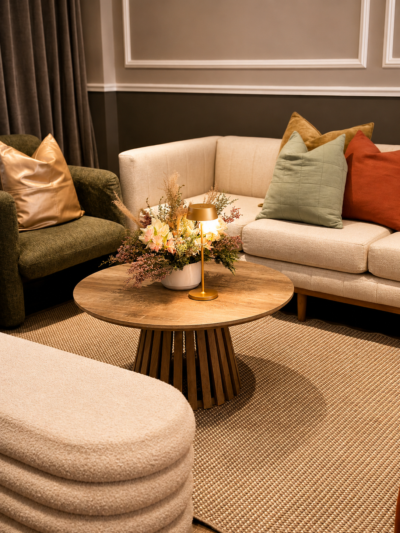
Colour, light, texture and spatial design all influence mood.
Warm lighting and soft textures can make a large venue feel intimate. Bright colours and dynamic furniture can create energy. Natural materials and greenery may introduce calm and warmth.
These choices help guests interpret the event before anything is formally explained.
This is particularly important for brands. A guest’s perception of the environment can influence their view of the company hosting the event. Thoughtful styling can make a brand feel innovative, premium, welcoming or energetic.
Memorable Visual Moments Extend the Event Online
Guests naturally photograph spaces that feel distinctive.
A strong backdrop, branded installation, statement floral feature or carefully styled lounge area can encourage organic social sharing. These visual moments extend the event’s reach beyond the venue and create content that can be used in future marketing.
However, styling for photography should not come at the expense of function. The best visual moments are integrated into the event rather than added as unrelated decorations.
Case Study: Twyne
For a product launch in Kramerville, Urbantonic created a colourful, high-energy environment that reflected the client’s brand and encouraged guest interaction.
A combination of carefully selected furniture, curated décor and comfortable lounge areas transformed the venue into a functional and visually engaging space. The styling gave guests different places to connect while also providing memorable backdrops for photography.
The result balanced brand visibility with comfort and usability—demonstrating how event styling can support both commercial objectives and guest experience.
Case Study: Maker’s Landing
For an event at Makers Landing, we created a large-scale, colourful setup that reflected the venue’s vibrant and creative atmosphere. We used bold décor and furniture to bring energy to the space while ensuring the overall design remained cohesive and suited the event’s purpose. Each element worked together to create an inviting environment that encouraged guests to connect, explore and enjoy the experience.
Consistency Builds Trust
An event feels more professional when every area follows a clear visual direction.
The entrance, stage, dining area, lounges, signage and branding should feel connected. This does not mean every space needs to look identical, but the colours, finishes and overall tone should be consistent.
Working with an integrated event furniture and décor supplier can help maintain this consistency while reducing the logistical complexity of coordinating multiple providers.
Frequently Asked Questions
What does an event stylist do?
An event stylist develops the visual concept and coordinates furniture, décor, colour, lighting and layout to create a cohesive experience. They also facilitate the execution of that vision on site.
How does event styling improve guest experience?
It improves first impressions, comfort, navigation, interaction and atmosphere. It can also support branding and encourage guests to photograph and share the event.
Is event styling only for large events?
No. Even smaller functions can benefit from a clear layout, coordinated furniture and a few well-chosen decorative elements.
What is the difference between event décor and event styling?
Décor refers to the physical decorative items. Event styling is the broader process of selecting and arranging décor, furniture and visual elements into a cohesive environment.
Make Guest Experience Part of the Plan
Successful events are not only measured by attendance. They are measured by how comfortably guests interact, how clearly the purpose is communicated and how memorable the experience becomes.
Professional event styling brings these elements together, turning a venue into an environment designed around the people using it.
Urbantonic provides integrated event styling, décor hire and furniture solutions for corporate events, weddings, exhibitions and private functions across South Africa. Contact us if you’d like to chat with us about styling your event.
Read The Complete Guide to Event Décor Hire in South Africa for a broader overview of event décor planning and hire.


